Clothes dryer fire safety: lint, vents and warning signs
Lint is the main thing that makes dryers burn. Here is what NFPA, the U.S. Fire Administration and the Consumer Product Safety Commission say to clean, check and avoid.
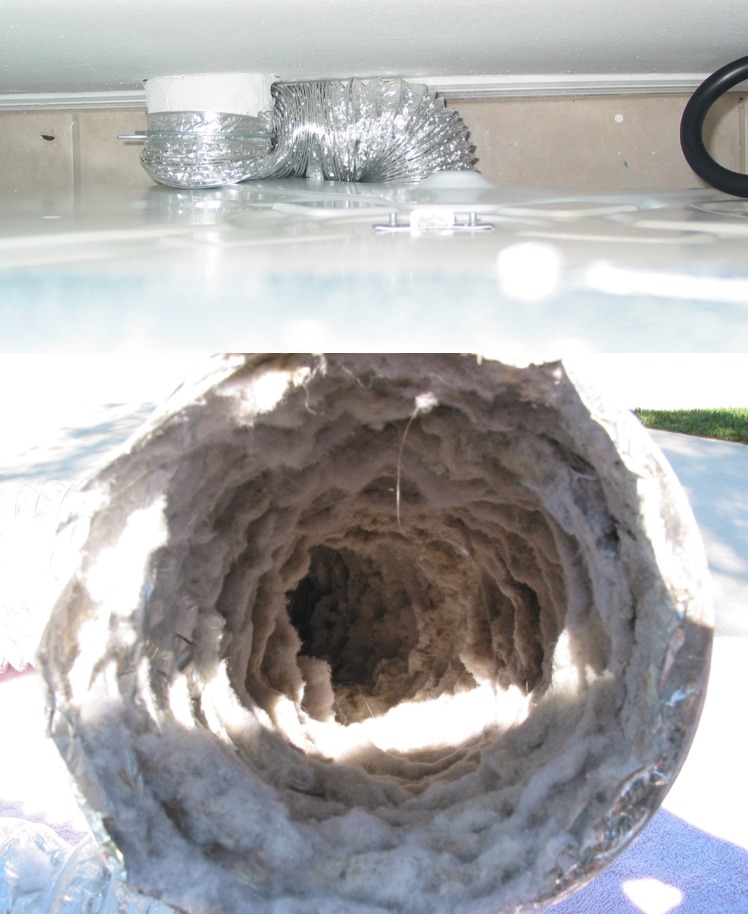

Most people run the dryer without thinking about it. Fire safety groups want you to think about it a little. The U.S. Consumer Product Safety Commission (CPSC) says fires can occur when lint builds up in the dryer or in the exhaust duct. Lint can block the flow of air, cause excessive heat build-up, and in some dryers result in a fire. The National Fire Protection Association (NFPA) goes further and states that the leading cause of home clothes dryer fires is failure to clean them.
The good news is that the prevention steps are cheap and quick. This guide pulls them together from CPSC, NFPA and the U.S. Fire Administration (USFA).
Clean the lint filter every load
The USFA says you are at higher risk of a dryer fire if you do not clean your lint filter and dryer vents. Its advice is to never use the dryer without a lint filter, and to clean the filter before and after each cycle. CPSC says to clean the lint screen or filter before or after drying each load. NFPA words it the same way: clean the lint filter before or after each load, and remove lint that has collected around the drum.
A habit that fits all three: pull the filter, wipe off the lint with your hand, and put it back, every time.
Clean behind the dryer
The USFA says not to forget the back of the dryer, where lint can build up. CPSC agrees: clean behind the dryer where lint can build up, and keep the area around the dryer clean and free of clutter. CPSC also says a qualified service person should clean the interior of the dryer chassis periodically to minimize lint accumulation.
Check the vent and the exhaust duct
Behind the dryer, a duct carries hot, moist air outside. If that path is blocked, heat and lint stay in the machine. The sources give these checks:
- Look at the venting system behind the dryer to make sure it is not damaged, crushed or restricted (USFA).
- Make sure the outdoor vent covering opens when the dryer is operating (USFA). NFPA gives the same advice and adds that the outdoor flap should not be covered by snow.
- CPSC says to check the outside vent while the dryer is running to make sure exhaust air is escaping. If it is not, the vent or the exhaust duct may be blocked.
- NFPA says that once a year, or more often if clothes take longer than normal to dry, you should clean lint out of the vent pipe or have a dryer lint removal service do it.
- CPSC notes that removing a blockage may mean disconnecting the exhaust duct from the dryer. If you do this, remember to reconnect the duct to the dryer and the outside vent before using the dryer again. Unplug the dryer first, and for a gas dryer call a professional rather than moving it yourself, because NFPA says gas dryers should be inspected by a qualified professional to make sure the gas line and connection are intact and free of leaks.
Warning signs
CPSC lists one sign directly: if clothing is still damp at the end of a typical drying cycle, or drying takes longer than normal, the lint screen or the exhaust duct may be blocked. NFPA also treats longer drying times as a reason to clean the vent pipe sooner than once a year.
Use the right duct material
CPSC says to replace plastic or foil accordion-type ducting with rigid or corrugated semi-rigid metal duct. It explains that most manufacturers specify one of these, which provides maximum airflow, while the flexible plastic or foil type duct can trap lint more easily and is more likely to kink or be crushed, which can greatly reduce the airflow. NFPA likewise says rigid or flexible metal venting material should be used to sustain proper air flow and drying time.
Check your own dryer's manual for the type of duct it calls for.
Installation, power and gas
- Have the dryer installed and serviced by a professional (NFPA and USFA).
- NFPA says dryers should be properly grounded and that the right plug and outlet should be used, with the machine connected properly.
- Gas dryers: have a qualified professional inspect the gas line and connection (NFPA).
- Follow the manufacturer's operating instructions and do not overload the dryer (NFPA).
Keep burnable things away
NFPA says to keep the area around the dryer clear of things that can burn, like boxes, cleaning supplies and clothing. CPSC also says to keep the area clean and free of clutter.
Clothes with oil, gasoline or solvents
Some laundry needs extra care.
- NFPA says clothes that have come in contact with flammable substances, like gasoline, paint thinner or similar solvents, should be laid outside to dry. They can then be washed and dried as usual.
- CPSC says to take special care with clothes soiled with volatile chemicals such as gasoline, cooking oils, cleaning agents, or finishing oils and stains. If possible, wash the clothing more than once to reduce the volatile chemicals, and preferably hang the clothes to dry. If you use a dryer, use the lowest heat setting and a cycle with a cool-down period at the end.
- To prevent dried clothes from igniting, CPSC says not to leave them in the dryer or piled in a laundry basket.
Do not run it unattended
NFPA says to turn the dryer off if you leave home or when you go to bed. This is simple and costs nothing.
A routine you can keep
- Every load: clean the lint filter, and do not run the dryer without one.
- Every load or two: glance at the outdoor vent flap while the dryer runs and confirm air is coming out, and keep snow off it in winter.
- Whenever drying slows down: treat it as a warning, check the filter, the duct and the outdoor vent.
- At least once a year: clean the vent pipe, or hire a dryer lint removal service.
- Periodically: clean behind the dryer and keep the area free of clutter.
- Check that the duct is metal, not kinked or crushed, and not plastic or foil accordion type.
- Do not run the dryer while you are out or asleep.
If you ever see smoke or smell something burning, stop the dryer and get everyone out. Our guide to making a home fire escape plan explains what to do next. And make sure your smoke alarms work, as covered in our smoke and carbon monoxide alarms guide.
Sources
- U.S. Consumer Product Safety Commission, "Overheated Clothes Dryers Can Cause Fires" (Publication 5022): https://www.cpsc.gov/Safety-Education/Safety-Guides/Home-Fire-Electronics-and-Electrical/Overheated-Clothes-Dryers-Can-Cause-Fires
- NFPA, "Clothes Dryer" safety tip sheet (2018): https://www.nfpa.org/-/media/project/storefront/catalog/files/safety-tip-sheets/dryersafetytips.pdf
- U.S. Fire Administration, "Clothes Dryer Fire Safety": https://www.usfa.fema.gov/downloads/pdf/publications/clothes_dryer_fire_safety_flyer.pdf