Grow Oregano and Marjoram at Home: Give Them Sun and Drainage, Pinch Tips, Protect From Winter
Oregano and marjoram need full sun, drainage and little fertilizer. Four university sources compared on hardiness, seed, harvest timing and renewal.
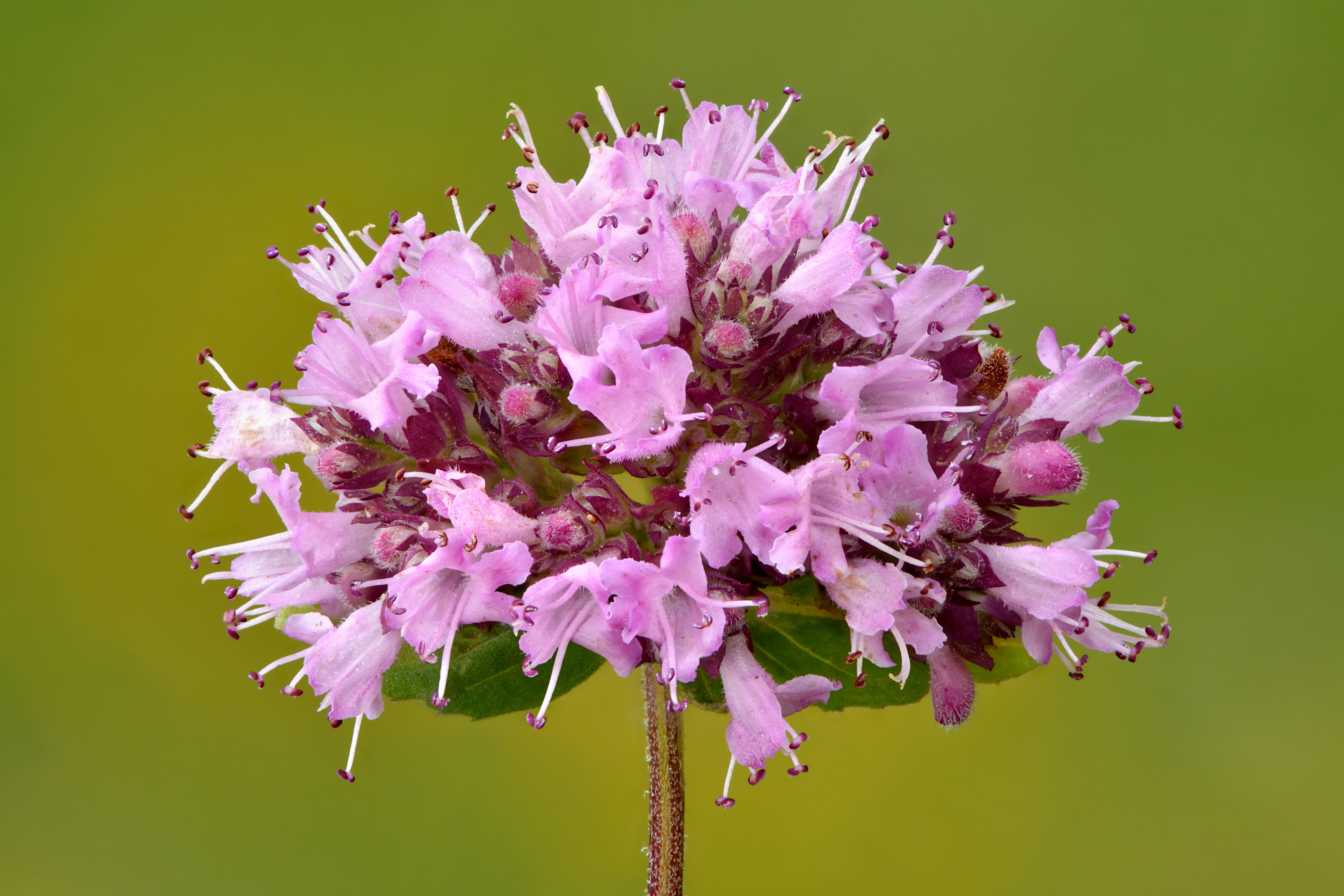

Oregano and marjoram are close relatives in the mint family. They look alike, they share most of their needs, and they are often confused in garden centers. This guide uses four university extension pages: Iowa State University (Yard and Garden), two pages from the University of Illinois Extension (oregano and sweet marjoram) and the University of Maryland Extension (oregano). It shows where they agree and where they differ.
Oregano or marjoram?
Iowa State says oregano typically has a stronger, more pungent flavor, while marjoram has a sweeter, more delicate taste. Oregano (Origanum vulgare) is a hardy perennial. Sweet marjoram (Origanum majorana) is a tender perennial that Iowa State says is hardy to USDA Zone 9, so it is usually grown as an annual in colder gardens. Illinois also describes sweet marjoram as an annual or very tender perennial, with a sweeter, milder flavor than oregano.
The names are confusing. Illinois notes that to many people oregano is more a flavor than one plant, and that if you want "true" oregano, Greek oregano is the one to plant. Maryland calls oregano "wild marjoram" and says it is coarser than sweet marjoram and smells more like thyme. Illinois adds that common marjoram, often sold as wild oregano, is a hardy, rampant perennial that it considers inferior as a culinary herb. If flavor matters, smell and taste a leaf before you buy.
Types worth knowing
- Greek oregano (O. vulgare subsp. hirtum): Iowa State calls it the best culinary oregano, the type in your spice rack. It is 6 to 9 inches tall and hardy to Zone 4.
- Russian oregano: 12 to 18 inches tall and wide, hardy to Zone 4, used mainly as a culinary herb.
- Ornamental oregano (O. laevigatum), such as 'Harrenhausen': a midsummer bloomer for hot, sunny spots with poor soil, hardy to Zone 5 according to Iowa State.
- 'Hot and Spicy': a vigorous cultivar with intense flavor, hardy to Zone 4.
- 'Kent Beauty': grown for foliage and flowers, with limited culinary value, hardy to Zone 6.
- Sweet marjoram: 1 to 2 feet tall and wide, grown as an annual in cold climates.
Check the plant tag. Many plants are sold as oregano, and Iowa State says flavor, winter hardiness and ornamental value vary among species and cultivars.
Sun and soil
All the sources agree on the basics. Both herbs want full sun and well-drained soil. Iowa State gives at least 6 hours of direct sun a day. Illinois says oregano must have full sun and good drainage for best growth and for overwintering. Maryland says oregano grows well in poor soil. Iowa State says they prefer low to moderate fertility and do not tolerate excessively wet conditions, and that poor drainage can lead to root rot and reduced vigor.
Planting and spacing
Maryland says to thin oregano plants to 10 to 12 inches apart. Iowa State lists mature widths from 12 to 18 inches for several types, so the wider end gives plants more room if you want them to fill in. Sources give different numbers because plant types differ, so use the width on your plant tag as a guide.
Water and feeding
Iowa State says to water during extended dry periods but let the soil surface dry slightly between irrigations. It warns that excessive watering and overfertilization can reduce flavor and encourage weak growth. This matches the "poor soil" advice from Maryland. In practice, these herbs do better with a lean soil than with rich compost and frequent feeding.
Pinching, pruning and flowers
Iowa State recommends pinching shoot tips when plants are young to encourage branching and fuller plants. Removing flower buds or stalks helps maintain leaf production and improves flavor. Illinois says allowing the plant to flower will reduce or stop growth and also reduces leaf flavor. Maryland agrees that cutting back flowers stimulates foliage. Illinois suggests pruning sweet marjoram back when it is 6 to 8 inches tall to encourage a bushy habit.
There is one difference. Iowa State says to cut stems several inches above the soil so enough foliage remains for regrowth. Illinois says to remove stem tips and leave 4 to 6 pairs of leaves on the plant so it produces side shoots. Both ideas keep leaves on the plant. Do not strip a plant to bare stems.
When to harvest
Iowa State says the highest concentration of aromatic oils occurs just before flowering, which is the best time for larger harvests. Illinois says to begin harvesting just before the plants are ready to flower. Maryland says to use fresh leaves as needed.
Sweet marjoram has its own rule from Illinois: harvest when ball-like tips appear at the ends of the stems. When the plant starts to bloom, cut it back close to the ground to stimulate new growth. Illinois says the second flush tends to be the more desired crop than the first cutting.
Drying and storing
Iowa State says fresh leaves keep in the refrigerator for several days. For long storage, bundle stems and dry them in a warm, dark, well-ventilated place. When completely dry, remove the leaves and store them in airtight containers away from heat and light. Illinois gives a similar method: hang the stems in a cool, dry, dark, well-ventilated place and store the dry leaves in sealed containers. Iowa State says properly dried herbs keep their flavor for many months. Note that Iowa State says warm and Illinois says cool for the drying place. Dark and airy matter in both.
Seed, cuttings and division
Both Iowa State and Illinois say you can start oregano from seed or cuttings. Maryland says seed or division. They also agree that seed-grown oregano can vary. Iowa State says plants grown from seed may differ in flavor and growth habit, so superior cultivars are often propagated from cuttings or division. Illinois says seed-grown plants often do not come true, so it suggests buying plants grown from cuttings taken from high-flavor plants. If you buy one good plant, you can divide it or root cuttings to get more.
If you sow seed, Iowa State says to start indoors 6 to 8 weeks before the last spring frost, or sow outdoors after danger of frost has passed. Illinois says to place seeds on top of the growing medium and press them in, and not to cover them because light is needed for germination. For sweet marjoram, Illinois says soaking seeds in water overnight can help germination.
Winter care
Winter hardiness differs by source. Iowa State says oregano is hardy in Iowa and returns year after year in a suitable location, and gives Zone 4 for Greek and Russian types. Illinois says true oregano is marginally hardy in Zone 5 and that many desirable types are treated as tender perennials and may need to be brought indoors. These pages do not agree, so check the zone of your own plant and your own winter.
For protection, Iowa State suggests a light winter mulch in late fall for less hardy selections, removed as growth resumes in spring. Illinois suggests a mulch of evergreen boughs or straw applied in November or December after the soil has frozen, and removed in spring. Both sweet marjoram sources say it can be grown in a container indoors in winter. Illinois says to start plants from seed or cuttings, or dig up plants before frost and bring them indoors, in a sunny location.
Renewing old plants
Iowa State says older oregano plants may become woody, sparse and less productive, and benefit from periodic pruning or division. It says established plants can be divided every few years in spring. Maryland says to replant when plants become woody in 3 to 4 years.
Common problems
Iowa State says oregano and marjoram have few insect or disease problems in sunny, well-drained places. Root and stem rots are the most common problems, usually from poor drainage or too much moisture. Aphids and spider mites occasionally attack, especially in hot, dry weather or indoors, and a strong spray of water can often manage them.
Uses
Oregano goes into tomato sauces, pizza, Mexican dishes, salads and soups, according to Illinois and Maryland. Iowa State adds Greek, Italian and Mexican cooking, roasted vegetables and meat dishes. Marjoram is used in soups, egg dishes, poultry, beef, sausages, cheese and tomato dishes. Because it is milder, Iowa State says it is often added toward the end of cooking. Iowa State also notes that the flowers attract bees, butterflies and other pollinators.
Illinois lists Mexican oregano (Lippia graveolens) as a different plant used for chili and Mexican dishes, so it is not the same species as the oregano described above.
Where the sources differ
- Hardiness: Zone 4 for Greek and Russian oregano (Iowa State) against marginally hardy in Zone 5 (Illinois).
- Seed: seed-grown plants may vary (Iowa State, Illinois), so cuttings or division give a more reliable result.
- Drying place: warm (Iowa State) or cool (Illinois), always dark and well ventilated.
- Plant renewal: every few years by division (Iowa State) or when woody in 3 to 4 years (Maryland).
Quick summary
Give oregano and marjoram full sun and drained, lean soil. Water only when the surface has dried. Pinch young tips, cut flowers back, and harvest just before flowering. Treat sweet marjoram as an annual unless you can bring it indoors. Mulch oregano lightly where winters are cold, and divide or renew woody plants.
Sources
- Iowa State University Extension, Yard and Garden: All About Oregano and Marjoram (https://yardandgarden.extension.iastate.edu/how-to/all-about-oregano-and-marjoram)
- University of Illinois Extension: Oregano (https://extension.illinois.edu/herbs/oregano)
- University of Illinois Extension: Marjoram, Sweet (https://extension.illinois.edu/herbs/marjoram-sweet)
- University of Maryland Extension: Oregano (https://www.extension.umd.edu/resource/oregano)