How to prevent frozen pipes at home, and what to do if one freezes or bursts
Which pipes freeze most, what to do before and during a cold snap, and the safe response if a pipe freezes or bursts. Based on American Red Cross and NC State Extension.
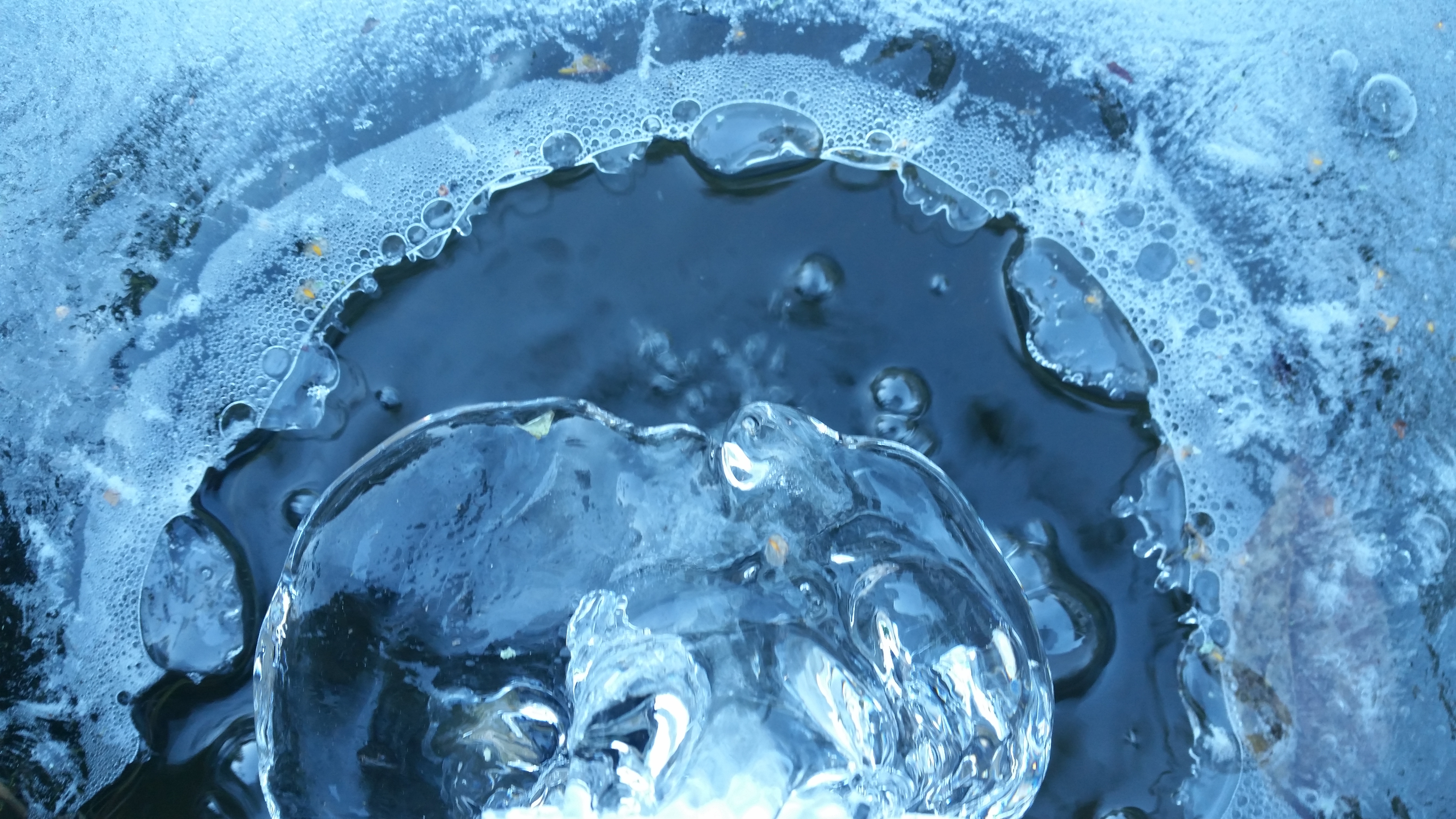

When water freezes it expands, and that pressure can split a pipe, metal or plastic. A burst pipe can flood a home and cost far more than the steps that prevent it. This guide explains which pipes freeze most often, what to do before cold weather arrives, what to do during a freeze, and what to do if a pipe freezes or bursts. It combines advice from two US sources: the American Red Cross ("Preventing & Thawing Frozen Pipes") and NC State Extension ("Preventing Frozen Pipes," Healthy Homes). Winters, building methods and plumbing differ widely between countries, so treat the temperatures as examples and ask a local plumber about your home.
Why pipes burst
The Red Cross explains that water expands as it freezes and puts great pressure on whatever contains it. No matter how strong the container is, expanding water can break a pipe. The risk rises when temperatures stay below freezing for a significant time, says NC State.
Which pipes freeze most often
The Red Cross lists:
- Pipes exposed to severe cold, such as outdoor hose bibs, swimming pool supply lines and sprinkler lines.
- Water supply pipes in unheated interior areas: basements and crawl spaces, attics, garages and kitchen cabinets.
- Pipes that run against exterior walls with little or no insulation.
Walk around your home and note where water pipes run through these places.
Before cold weather
Recommendations from both sources:
1. Know where your main water shut-off valve is and how to close it (NC State). In an emergency this can limit the damage.
2. Drain swimming pool and sprinkler lines following the manufacturer's or installer's directions. The Red Cross says not to put antifreeze in these lines unless directed, because antifreeze is harmful to people, pets, wildlife and plants.
3. Remove, drain and store outdoor hoses. The Red Cross says to close the inside valve to each outdoor hose bib and open the outside bib to let water drain. Leave the outside valve open so remaining water can expand without breaking the pipe. NC State suggests an insulated spigot cover.
4. Insulate pipes. Add insulation to attics, basements and crawl spaces, which keeps those areas warmer. Check the garage and under kitchen and bathroom cabinets, and insulate both hot and cold pipes there. Products such as pipe sleeves are made for this. The Red Cross notes that even 1/4 inch (about 6 mm) of newspaper gives significant protection in areas that do not often have long periods of freezing weather.
5. Seal air leaks around pipes that let cold air in (NC State).
6. In exposed or problem areas, you may use heat tape or heat cable. Both sources say it must be UL-listed (approved), and NC State says to follow the manufacturer's instructions. Poorly used electric heat cable can be a fire or shock risk, so follow the instructions exactly or ask a professional.
7. The Red Cross suggests considering moving exposed pipes to a more protected place.
8. NC State suggests closing foundation vents when the temperature stays below freezing for a significant time, and re-opening them when the weather warms.
During very cold weather
- Keep garage doors closed if there are water lines in the garage (Red Cross).
- Open kitchen and bathroom cabinet doors so warmer air can reach the pipes. Move cleaners and household chemicals out of reach of children first, says the Red Cross.
- Let a faucet served by exposed pipes drip. The Red Cross says running water, even a trickle, helps prevent freezing. NC State says to turn on the faucet just enough for a constant drip for pipes on an exterior wall.
- Keep the thermostat at the same temperature day and night. The Red Cross notes that this may raise your heating bill but can prevent a much more costly repair.
- If you will be away, leave the heat on, set to no lower than 55 F (about 13 C), according to both sources. NC State also suggests having someone check on your home every day.
Signs of a frozen pipe
The Red Cross says that if you turn on a faucet and only a trickle comes out, suspect a frozen pipe. Likely places are against exterior walls, or where the water service enters through the foundation. If one pipe has frozen, others may have too, so check all faucets.
If a pipe freezes
The two sources differ in how far they go, so choose the cautious option.
- NC State: shut off the water valves to limit damage, and call a plumber to thaw the pipes, because thawing them yourself can cause greater damage and can be a hazard.
- The Red Cross describes steps for those who do try: keep the faucet open so melting water can flow, and apply gentle heat to the section of pipe with an electric heating pad wrapped around it, a hair dryer, a portable space heater kept away from anything flammable, or towels soaked in hot water. Continue until full water pressure returns. If you cannot find the frozen area, cannot reach it or cannot thaw it, call a licensed plumber.
Whatever you do:
- Never use an open flame. Both sources are clear: no blowtorch, kerosene or propane heater, charcoal stove, or other open flame, and never start a debris fire to warm pipes.
- Electricity and water are a dangerous combination. NC State warns not to use ungrounded electrical appliances near grounded water pipes, and to watch for the risk of electric shock in and around water. If you are not sure, do not use electrical heaters at all, and call a plumber.
- NC State advises working from the open faucet back toward the frozen area, so that steam is not trapped behind ice, which could burst the pipe.
If a pipe bursts
Shut off the water at the main valve. Call a plumber and your insurance agent (NC State). If water is near electrical outlets, appliances or the fuse box, stay away and switch off the power only if you can do so safely from a dry location, or call an electrician or emergency service. That last point is general safety advice and is not from the two sources above.
Common mistakes
- Not knowing where the main shut-off valve is.
- Leaving hoses connected to outdoor taps.
- Forgetting pipes in garages, attics and cabinets on outside walls.
- Turning the heat way down at night in a cold snap, or in an empty home.
- Using a torch or other flame to thaw a pipe.
- Using electrical heaters or appliances near standing water.
- Ignoring a weak trickle from a faucet in cold weather.
Quick checklist
- Locate the main shut-off valve.
- Drain and put away hoses. Cover or drain outdoor taps.
- Insulate pipes in unheated areas and seal air leaks around them.
- In a cold snap: open cabinet doors, let a faucet drip, keep the heat steady.
- If away: heat on, no lower than 55 F (about 13 C), and ask someone to check daily.
- If a pipe freezes: shut off the water and call a plumber. Never use an open flame.
Sources
- American Red Cross, "Preventing & Thawing Frozen Pipes": https://www.redcross.org/get-help/how-to-prepare-for-emergencies/types-of-emergencies/winter-storm/frozen-pipes.html
- NC State Extension, Healthy Homes, "Preventing Frozen Pipes": https://healthyhomes.ces.ncsu.edu/news/preventing-frozen-pipes-2/